Gallbladder Stones: Symptoms, Causes, Diagnosis & Treatment Options Explained
Gallbladder stones, also called gallstones, are hard deposits that develop inside the gallbladder. Some people may have gallstones without experiencing any symptoms, while others may develop severe abdominal pain, nausea, vomiting, or other complications when a stone blocks a bile duct.
Understanding the Gallbladder Stone Symptoms, causes, diagnosis, and treatment options can help you seek medical attention at the right time.
If you are experiencing recurring abdominal pain or looking for Gallbladder Stone Treatment in Warangal, Hanamkonda, understanding the condition and available treatment options is an important first step.
What Are Gallbladder Stones?
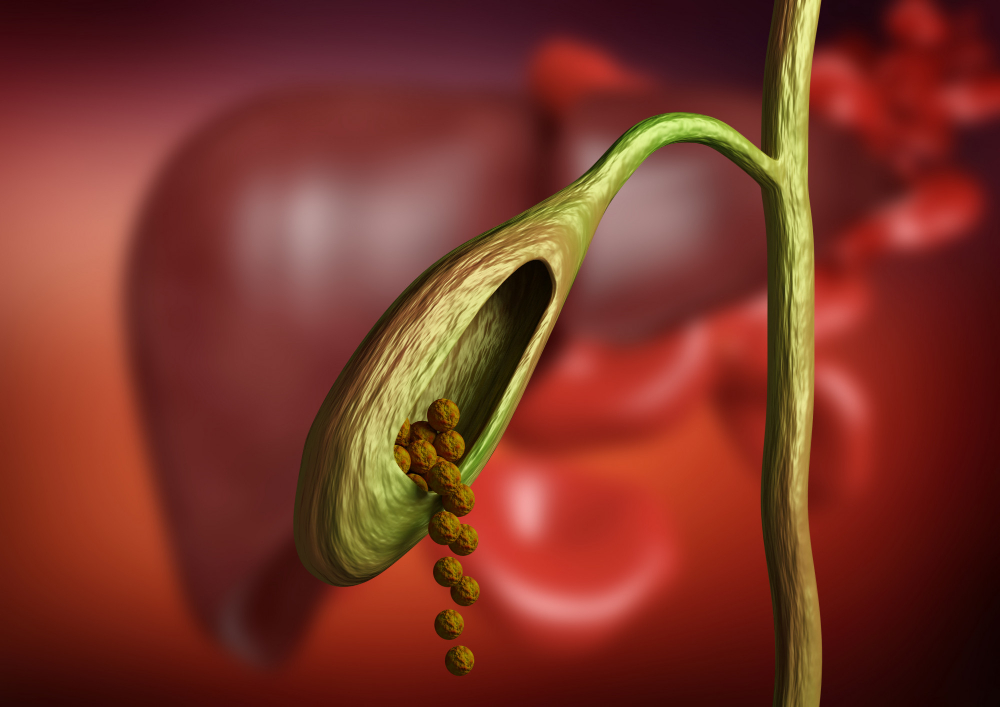
Gallstones are solid, pebble-like deposits that form inside the gallbladder. They can vary in size and may occur as a single stone or multiple stones. The two major types are cholesterol stones and pigment stones.
The gallbladder is a small organ located below the liver. It stores bile, a digestive fluid produced by the liver. When a gallstone blocks the flow of bile, it can cause a painful condition commonly known as a gallbladder attack.
Not every person with gallstones requires treatment. Gallstones that do not cause symptoms are often called silent gallstones and may not require immediate treatment.
What Causes Gallbladder Stones?
Understanding the Gallbladder Stone Causes can help identify possible risk factors.
Gallstones can develop when there is an imbalance in the substances that make up bile. They may form when bile contains too much cholesterol or bilirubin, or when the gallbladder does not empty properly.
Common Gallstones Causes and risk factors include:
- Being overweight or having obesity
- Rapid weight loss
- A diet high in calories and refined carbohydrates
- Increasing age
- Family history of gallstones
- Pregnancy and certain hormonal factors
- Diabetes and insulin resistance
- Certain liver, intestinal, or blood-related conditions
Having one or more risk factors does not necessarily mean that a person will develop gallstones.
What Are the Common Gallstones Symptoms?
Many people with gallstones do not experience symptoms. Problems generally occur when stones block the bile ducts.
Common Gallstones Symptoms may include:
- Sudden or intense pain in the upper-right abdomen
- Pain in the middle or upper abdomen
- Pain that may occur after meals
- Nausea or vomiting
- Abdominal discomfort
Gallbladder pain can last for several hours. Persistent pain, fever, chills, jaundice, dark urine, or vomiting may indicate a complication and requires prompt medical evaluation.
Who Is at Risk of Developing Gallstones?
Gallstones can affect different age groups, but certain factors increase the likelihood of developing them.
People may have a higher risk if they:
- Are above 40 years of age
- Have obesity
- Have experienced rapid weight loss
- Have diabetes
- Have a family history of gallstones
- Follow a diet high in fat and low in fibre
- Have certain digestive or liver conditions
If you experience repeated abdominal pain or digestive discomfort, it is better to consult a doctor instead of assuming that the symptoms are simply related to food.
How Are Gallbladder Stones Diagnosed?
Gallstones Diagnosis usually involves understanding your symptoms, medical history, physical examination, blood tests, and imaging studies.
An ultrasound scan is commonly used to identify gallstones and evaluate the gallbladder. Blood tests may help identify signs of infection or inflammation involving the gallbladder, bile ducts, liver, or pancreas.
Depending on the situation, doctors may recommend additional imaging such as CT, MRI, or other specialized tests.
Early diagnosis can help identify whether the stones are simply present or are causing blockage or complications.
What Are the Treatment Options for Gallbladder Stones?
The appropriate Gallbladder Stone Treatment depends on whether the stones are causing symptoms or complications.
If gallstones are discovered accidentally and are not causing symptoms, treatment may not always be necessary. However, symptomatic gallstones commonly require medical treatment, with gallbladder removal being the usual definitive treatment.
Treatment may include:
- Medical evaluation and monitoring for symptom-free stones
- Pain management as advised by a doctor
- Dietary adjustments while awaiting treatment
- Procedures to remove stones from the bile duct when necessary
- Surgery to remove the gallbladder for symptomatic or complicated gallstones
The appropriate option should always be decided after evaluation by a qualified medical professional.
When Is Gallbladder Stone Surgery Recommended?
Gallbladder Stone Surgery may be recommended when stones cause repeated or significant symptoms or complications.
Doctors may consider surgery when a patient develops:
- Recurrent gallbladder attacks
- Gallbladder inflammation
- Bile duct obstruction
- Gallstone-related pancreatitis
- Other complications associated with gallstones
The standard surgical procedure is called a cholecystectomy, or Gallbladder Removal Surgery. A person can generally live normally without a gallbladder because the liver continues to produce bile.
What Is Laparoscopic Gallbladder Surgery?
Laparoscopic gallbladder surgery is a minimally invasive technique used to remove the gallbladder.
Instead of making one large abdominal incision, the surgeon generally makes several small incisions and uses a laparoscope with a camera along with specialized surgical instruments.
Most gallbladder removal procedures are performed using the laparoscopic approach when clinically appropriate. Open surgery may be required in certain situations, such as severe inflammation or when keyhole surgery is not suitable.
Your surgeon will determine the most appropriate approach based on your condition, medical history, and surgical findings.
Gallbladder Stone Treatment in Warangal – New Sigmaa Hospital
If you are experiencing recurring abdominal pain, nausea, vomiting, or other possible Gallbladder Stone Symptoms, timely medical evaluation is important.
New Sigmaa Hospital provides medical evaluation and treatment for patients dealing with gallbladder-related conditions in the Warangal and Hanamkonda region.
Patients looking for Gallbladder Stone Treatment in Warangal, Hanamkonda can consult an appropriate specialist for diagnosis and discuss available treatment options based on their individual condition.
For patients who require surgery, the medical team can assess whether Gallbladder Stone Surgery in Hanamkonda, Warangal is appropriate and explain the procedure, preparation, recovery, and expected outcomes.
Frequently Asked Questions
Common symptoms include upper abdominal pain, particularly on the right side, nausea, and vomiting. Symptoms can become more serious when a stone blocks a bile duct.
Gallbladder stones may develop because of changes in the composition of bile or incomplete emptying of the gallbladder. Obesity, rapid weight loss, age, family history, and certain health conditions can increase risk.
Doctors commonly use medical history, physical examination, blood tests, and imaging. Ultrasound is widely used to detect gallstones.
Surgery may be recommended when gallstones cause repeated symptoms or complications such as inflammation, bile duct obstruction, or gallstone-related pancreatitis.
Gallbladder removal is a commonly performed operation. However, like any surgery, it has potential risks, so your surgeon should assess your individual health and explain the benefits and risks before treatment.
Patients looking for Gallbladder Stone Treatment in Warangal or Hanamkonda can consult New Sigmaa Hospital for evaluation, diagnosis, and discussion of appropriate treatment options.